Blog

2026 Best Car Collision Repair Parts Suppliers for Global Buyers
Global buyers comparing Car Collision Repair Parts suppliers need more than a large catalog. They need consistent fit, clear product records, dependable communication, and realistic delivery schedules. A bumper cover may look correct online, yet differ in mounting points or sensor openings. Small mismatches can mean extra labor, delayed repairs, and frustrated customers.
Paraphrasing collision-repair educator Mike Anderson: “Choose parts for verified fit, repair requirements, and documentation—not price alone.” This is a practical principle, not a substitute for checking each vehicle and repair plan. Details matter. Buyers should confirm part numbers, vehicle compatibility, material specifications, packaging standards, and the supplier’s process for resolving damaged or incorrect shipments. Ask how inventory is checked, too. A polished catalog cannot answer every question.
This 2026 guide compares suppliers through the details that shape real purchasing decisions: product range, quality controls, technical support, order transparency, and international fulfillment experience. It also considers whether a supplier can provide useful documentation and consistent updates when a shipment changes course. Strong suppliers make verification easier; they do not ask buyers to rely on vague promises. No single company will suit every market, repair network, or order size. That can be inconvenient. It is also why careful comparison matters. Use the profiles that follow to identify candidates, then validate compatibility, terms, and service expectations directly before placing an order.
Read more »
 By:Sophia
- October 30, 2026
How to Choose the Best Automotive Refinishing Products?
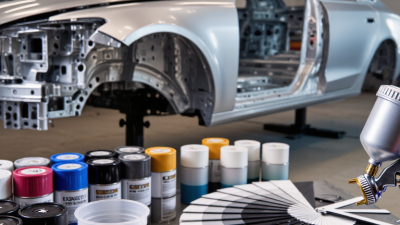
Choosing the best Automotive Refinishing Products requires more than selecting a familiar brand. A successful repair must match the vehicle’s substrate, existing paint system, climate, and workshop equipment. Axalta’s 2024 Global Automotive Color Popularity Report shows white, black, and gray remain dominant worldwide. Together, they represent most vehicle colors, yet shade variation still appears under different lighting. A small difference near a door edge can become obvious in sunlight.
Professional selection begins with technical evidence. Review the product’s technical data sheet, safety data sheet, mixing ratio, flash time, and curing requirements. Check compatibility between primers, sealers, basecoats, and clearcoats. Waterborne and solventborne systems may demand different application methods, ventilation, and drying conditions. The U.S. Environmental Protection Agency’s automotive refinishing guidance highlights the importance of controlling coating emissions and following approved application practices. Product performance also depends on spray-gun setup, film thickness, booth temperature, and technician experience.
No product wins every repair. That is the uncomfortable truth. A premium clearcoat can still fail after poor surface preparation. A fast-drying primer may create problems in a cold workshop. Therefore, test unfamiliar materials on a prepared panel before full application. Inspect gloss, color accuracy, adhesion, sanding response, and polishing behavior after curing. Reliable suppliers should provide traceable batch information, training, warranty terms, and responsive technical support. This guide compares those practical factors, not only catalog claims. Some recommendations may need adjustment, because real workshops rarely operate under perfect conditions.
Read more »
 By:Emma
- October 25, 2026
7 Best Wanda Refinish Paint Products for Global Buyers?
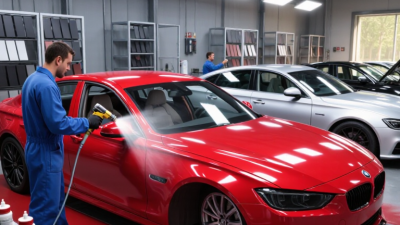
Choosing the right Wanda Refinish Paint product can shape a repair shop’s finish quality, workflow, and long-term costs. Global buyers need more than attractive color charts. They must examine coverage, curing behavior, color accuracy, surface compatibility, and technical support before placing an order.
This guide reviews seven Wanda Refinish Paint products for different professional situations. The selection considers primers, basecoats, clearcoats, hardeners, and related refinishing solutions. Each option should be judged against the repair environment. A busy workshop may value fast drying, while a humid coastal market may need stronger process control. Temperature, spray equipment, mixing ratios, and technician experience can change the final result.
Real workshop conditions are rarely perfect. Dust may settle near the spray booth. A panel may show slight shade variation under bright daylight. Even a respected product can perform poorly when preparation is rushed. That point deserves attention. Product labels, technical data sheets, and authorized supplier guidance should remain the primary references. Buyers should also confirm packaging integrity, batch information, storage requirements, and regional availability.
The recommendations aim to support informed purchasing rather than promise identical results everywhere. Test panels are still necessary. Small trials can reveal whether a color matches existing bodywork and whether the coating responds well to local equipment. Some products may appear economical, yet waste from rework can quickly change the calculation. By comparing practical performance, application demands, and supplier reliability, global buyers can select a more suitable Wanda Refinish Paint solution for their repair operations.
Read more »
 By:Ethan
- October 15, 2026

How to Choose KeyKling Plastic Sheeting in 2026?
Choosing the right KeyKling Plastic Sheeting in 2026 requires more than comparing prices and thickness labels. The correct material should match the job, environment, and expected service life. A temporary dust barrier needs different performance from a greenhouse cover, construction membrane, or outdoor storage sheet. Start with thickness, dimensions, transparency, flexibility, tear resistance, and moisture protection. Small details matter.
Consider the working conditions carefully. Will the sheeting face strong sunlight, sharp edges, freezing temperatures, or repeated handling? For outdoor use, ultraviolet resistance can help reduce brittleness and early cracking. For construction projects, reinforced layers and reliable seam performance may matter more than appearance. I have found that measuring the coverage area twice prevents expensive gaps and unnecessary waste. Still, product descriptions can be incomplete, and no single specification guarantees perfect performance. That deserves attention.
A dependable choice also requires evidence from the supplier. Review technical data, batch consistency, warranty terms, packaging quality, and customer support. Look for clear information about material composition and intended applications. Independent testing or documented quality controls can strengthen confidence. However, marketing language should not replace practical verification. Request samples when the project has strict requirements. Test a small section before full installation. This simple step may reveal stiffness, odor, handling problems, or weak edges.
This guide explains how to compare KeyKling Plastic Sheeting with a professional, practical approach. It focuses on fit, durability, safety, and long-term value. The best option is not always the thickest or cheapest. It is the sheet that performs reliably under real conditions.
Read more »
By:Sophia
- October 10, 2026
Why Choose Automotive Masking Sheeting for Auto Painting?
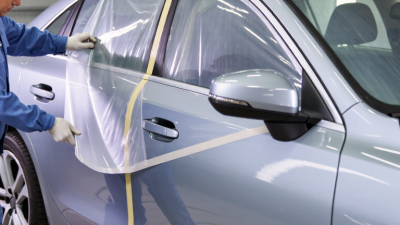
In a professional auto body shop, clean paint lines begin with careful preparation. Automotive Masking Sheeting helps protect glass, tires, trim, interiors, and nearby panels from overspray. During refinishing, even a small gap can leave fine paint dust on a windshield. That dust creates extra cleaning work and may affect the final presentation. Experienced technicians use masking sheeting because it covers large areas quickly and supports consistent preparation. It can also reduce the chance of accidental paint contact during spraying.
The material is lightweight, flexible, and easy to position around vehicle contours. Many products include static-cling or pre-taped edges, which can improve handling around doors, hoods, and mirrors. A technician can cut openings for door handles, lamps, or repair zones without covering the entire vehicle unnecessarily. Good masking is not only about speed. It is about controlling where paint travels. That matters when using spray guns, primers, basecoats, or clearcoats in a busy workshop.
Small details matter.
However, no sheeting solves poor preparation. Surfaces must be clean, dry, and free from loose dust before masking begins. The edges should be sealed carefully, especially near panel gaps and wheel arches. Some films can tear, shift, or attract static dust when handled roughly. That deserves honest consideration. Professional results depend on the product, application method, and technician’s judgment. When selected for the repair and used correctly, Automotive Masking Sheeting provides a practical layer of protection, supports efficient workflow, and helps deliver sharper paintwork with fewer avoidable corrections.
Read more »
By:Ethan
- October 5, 2026
What Is Automotive Aerosol Spray Paint Used For?
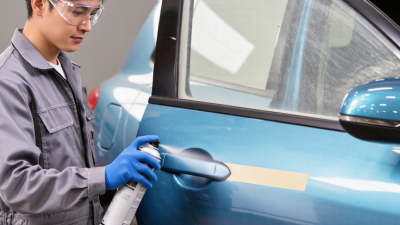
Automotive Aerosol Spray Paint is designed for targeted vehicle finishing and small repair work. It can refresh faded panels, cover minor scratches, and restore color around repaired areas. Many products also work on metal brackets, plastic trim, wheels, and motorcycle parts. The can delivers a controlled mist, allowing careful application in narrow spaces. A clean surface matters more than expensive paint. Dust, wax, silicone, and oil can cause peeling or uneven gloss. Light sanding usually improves adhesion, especially on older coatings. Primer may also help when bare metal or plastic is exposed.
Good results depend on preparation, product compatibility, and patience. The vehicle’s original finish should be identified before selecting a color or sheen. Factory colors may vary after years of sunlight. A spray can labeled with the correct paint code may still look slightly different. Test the product on hidden material first. That small step can prevent a disappointing repair. Apply several thin coats rather than one heavy layer. Heavy coats may sag, wrinkle, or trap solvents beneath the surface. Ventilation, gloves, eye protection, and the label’s drying instructions should never be ignored. Use the product only in suitable conditions and according to local safety requirements. Results can be imperfect. Color matching is not guaranteed. Professional refinishing remains the better choice for large panels, structural damage, or high-value vehicles. Still, when used carefully, Automotive Aerosol Spray Paint offers a practical way to improve appearance and protect selected surfaces.
Read more »
By:Sophia
- September 30, 2026

How to Choose Custom Mixed Car Paint in 2026
Choosing Custom Mixed Car Paint in 2026 involves more than matching a color chip. The right formula must suit the vehicle, repair area, finish, and application conditions. A door panel can look perfectly matched indoors yet appear too warm under midday sunlight. Small differences matter.
Industry data offers useful context, but not a shortcut. Axalta’s 2024 Global Automotive Color Popularity Report found that white represented 29% of new-car colors worldwide, followed by black at 23% and gray at 22%. These figures describe factory-finish popularity, not demand for custom refinish colors. Still, they show why neutral shades and subtle metallic effects remain common matching challenges. The report is a starting point, not a paint-mixing formula.
For a reliable choice, compare the vehicle’s paint code with a physical spray-out card, then inspect it under daylight and shop lighting. Ask the supplier about the color variant, recommended primer, clearcoat compatibility, and mixing instructions. A digital screen alone can mislead. So can an old, faded panel. Experienced refinishers know that preparation and spray technique affect the final appearance as much as the formula. It is easy to overlook that. This guide explains how to evaluate color accuracy, finish, product support, and cost before ordering Custom Mixed Car Paint in 2026. It also points out where a careful test—or a second opinion—can prevent an expensive mismatch.
Read more »
By:Sophia
- September 25, 2026
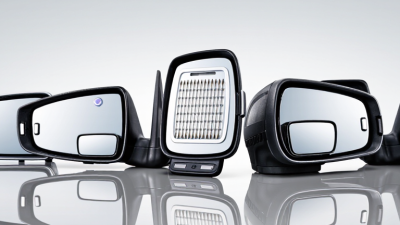
7 Best Auto Body Mirrors for Global Buyers?
Global vehicle repair is becoming more specification-driven, and mirror choice now affects safety, fit, and workshop efficiency. OICA reported 93.5 million motor vehicles were produced worldwide in 2023, showing the replacement market’s scale. Yet production volume does not explain every buying decision. Vehicle age, collision frequency, climate, driving side, and local inventory matter. This guide, “7 Best Auto Body Mirrors for Global Buyers,” examines those practical differences. It focuses on coverage, glass clarity, adjustment systems, heating, blind-spot features, housing strength, and installation accuracy.
S&P Global Mobility reported that the average age of light vehicles in the United States reached 12.6 years in 2024. Older vehicles often need replacement mirrors before owners consider full replacement. That pattern matters to exporters, distributors, body shops, and fleet managers. A mirror that looks identical may still use a different connector, mounting plate, or signal layout. Small mismatches create returns. They also consume labor. The best Auto Body Mirrors should therefore be assessed against verified part numbers, vehicle compatibility data, and documented quality controls. UNECE Regulation No. 46 provides a recognized reference for indirect vision systems, but requirements still vary across markets.
We compare options using evidence rather than polished product claims. Materials, field of view, vibration resistance, corrosion protection, packaging, warranty support, and supplier responsiveness all receive attention. Hands-on inspection remains valuable. A mirror can pass a catalog check and fail during installation. That uncomfortable possibility deserves space. Prices also shift with order volume, shipping terms, and certification needs, so no single model wins everywhere. Readers should treat this selection as a practical starting point, then confirm regional specifications before purchasing. Reliable sourcing is not merely cheaper sourcing. It is safer, clearer, and easier to support.
Read more »
By:Emma
- September 20, 2026
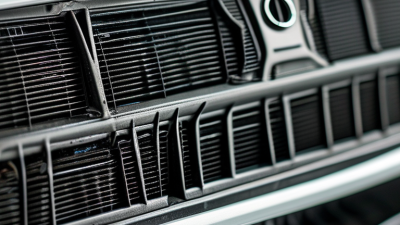
2026 How to Choose the Best Automotive AC Condensers for Your Needs?
Choosing the right automotive AC condensers is crucial for vehicle performance. High temperatures in vehicles can lead to inefficient cooling. This is where quality AC condensers play a vital role. They help maintain a comfortable cabin environment.
Finding the best automotive AC condensers requires understanding your specific needs. Various factors influence your choice, such as vehicle make, model, and driving conditions. Not all condensers are created equal. Some may not provide adequate cooling or fit well in your car.
It's important to consider brand reputation and customer reviews. Reliable manufacturers often produce long-lasting and effective products. However, navigating this market can be overwhelming. With numerous options available, you may find yourself questioning your choices. Ultimately, careful research can lead you to the right automotive AC condensers for your vehicle.
Read more »
By:Emma
- August 22, 2026

Top Automotive Bumpers for Global Buyers in 2026?
In the rapidly evolving automotive industry, the significance of Automotive Bumpers is often underestimated. According to Dr. Emily Tran, a leading expert in automotive safety design, "Bumpers are more than just cosmetic; they protect lives and enhance vehicle resilience." As we venture into 2026, the demand for innovative, durable, and efficient bumpers is set to rise.
Manufacturers are focusing on sustainability and advanced materials to meet global standards. The integration of lightweight composites promises enhanced safety without sacrificing performance. Yet, challenges exist. The balance between cost and quality remains a point of contention for many companies. Some manufacturers are still relying on outdated materials, raising questions about their commitment to innovation.
The evolution of Automotive Bumpers reflects broader industry trends. As electric vehicles gain traction, designs must adapt to new specifications and safety measures. It’s a complex task, and not every player is rising to the occasion. Ultimately, the future landscape of Automotive Bumpers will be defined by those who embrace change, while others may find themselves left behind.
Read more »
By:Sophia
- August 22, 2026

Top 10 Replacement Car Fenders You Need to Know About?
When it comes to car maintenance, few components are as important as replacement car fenders. These parts protect your vehicle from debris and impacts, enhancing its durability and overall appearance. However, choosing the right replacement car fenders can be overwhelming. With countless options available, it's essential to make an informed decision.
This guide highlights the top 10 replacement car fenders you need to know about. Whether you drive a sedan, SUV, or truck, understanding the differences among fender materials, designs, and brands is crucial. Quality matters, but so does affordability. Sometimes, lower-priced fenders may lack durability, leading to more costs down the road.
In this ever-evolving automotive world, staying updated can be a challenge. It’s easy to overlook how essential fenders are until damage occurs. Therefore, aiming for reliable and cost-effective solutions is key. Investing time to research will ensure better protection for your vehicle and peace of mind.
Read more »
By:Emma
- August 22, 2026