Auto Body & Repair Blog
Expert tips, collision repair guides, custom paint advice, and industry news from Auto Parts Outlet.
Top Automotive Bumpers for Global Buyers in 2026?
Table of Contents
- Top Automotive Bumper Types for Global Markets in 2026
- Key Features and Innovations in 2026 Automotive Bumpers
- Regional Trends in Automotive Bumper Design and Manufacturing
- Sustainability Considerations for Automotive Bumpers in 2026
- Market Leaders and Emerging Companies in the Automotive Bumper Sector
- FAQS
- Conclusion
- Related Posts
In the rapidly evolving automotive industry, the significance of Automotive Bumpers is often underestimated. According to Dr. Emily Tran, a leading expert in automotive safety design, "Bumpers are more than just cosmetic; they protect lives and enhance vehicle resilience." As we venture into 2026, the demand for innovative, durable, and efficient bumpers is set to rise.
Manufacturers are focusing on sustainability and advanced materials to meet global standards. The integration of lightweight composites promises enhanced safety without sacrificing performance. Yet, challenges exist. The balance between cost and quality remains a point of contention for many companies. Some manufacturers are still relying on outdated materials, raising questions about their commitment to innovation.
The evolution of Automotive Bumpers reflects broader industry trends. As electric vehicles gain traction, designs must adapt to new specifications and safety measures. It’s a complex task, and not every player is rising to the occasion. Ultimately, the future landscape of Automotive Bumpers will be defined by those who embrace change, while others may find themselves left behind.
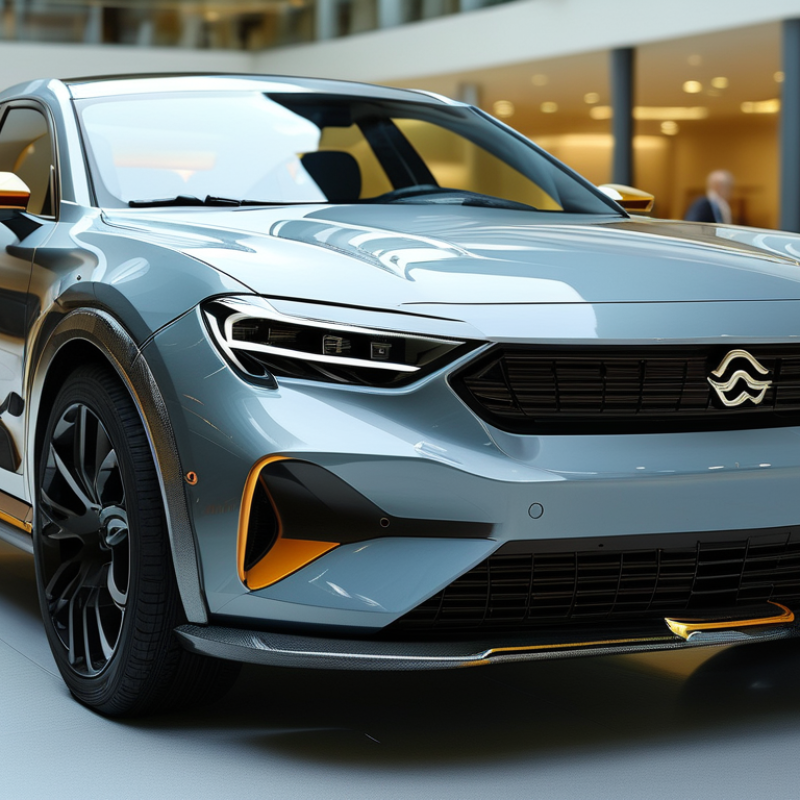
Top Automotive Bumper Types for Global Markets in 2026
The automotive bumper market is evolving rapidly, and understanding the top types set for global demand in 2026 is essential. According to industry reports, composite bumpers are expected to dominate due to their lightweight and durability. These materials reduce vehicle weight, enhancing fuel efficiency, a growing requirement in many regions.
Metal bumpers, though traditional, still hold significant market presence. They provide exceptional strength and protection, which appeals to consumers prioritizing safety. Recent data suggests that preferences for metal bumpers are rising in markets with stringent safety regulations. Yet, they are heavier, posing challenges to manufacturers focused on fuel efficiency.
Plastic bumpers offer versatility and are cost-effective. These bumpers can be molded into various shapes and designs, catering to diverse consumer needs. However, their environmental impact raises concerns. As sustainability becomes a key focus, manufacturers may need to rethink their strategies. Several recent studies show a growing demand for eco-friendly materials in bumper production, pushing the industry towards greener alternatives.
Key Features and Innovations in 2026 Automotive Bumpers
In 2026, the automotive bumper landscape is set for significant transformation. Manufacturers increasingly focus on lightweight materials. Recent reports indicate that up to 40% of bumpers will be made from advanced composites. These materials not only reduce weight but also enhance fuel efficiency and overall vehicle performance. Moreover, innovations in the recycling of these materials are gaining traction, aiming for a circular economy model in automotive design.
Safety features are evolving, too. Advanced Driver Assistance Systems (ADAS) are increasingly integrated into bumper designs. These systems utilize sensors that enhance collision detection. According to industry data, vehicles with integrated safety bumpers could reduce impact damage by 25%. Additionally, aesthetic customization options are becoming popular among consumers. The ability to personalize bumpers with various finishes and colors is expected to appeal to younger buyers.
Despite the advancements, there are challenges. Environmental regulations put pressure on manufacturers to balance innovation with sustainability. Not all composites are recyclable yet, raising questions about long-term impacts. As the market shifts, stakeholders will need to reflect on their production processes. The automotive industry is evolving rapidly, but the path forward remains an intricate mix of opportunity and responsibility.
Regional Trends in Automotive Bumper Design and Manufacturing
In 2026, automotive bumpers will undergo significant changes influenced by regional trends. Various regions are focusing on specific design and manufacturing techniques to cater to local preferences. For instance, Europe emphasizes sustainability, pushing manufacturers to integrate eco-friendly materials. In contrast, North America is focusing on robust designs that enhance safety without compromising aesthetics. According to a recent industry report, the global automotive bumper market is expected to grow by 5% annually, driven by these region-specific demands.
Design innovations also stem from advancements in technology. In Asia, manufacturers utilize lighter materials like thermoplastic, which reduces overall vehicle weight and improves fuel efficiency. This shift reflects a broader trend toward sustainable automotive practices. Yet, potential drawbacks exist in the durability of these materials, raising concerns about long-term performance.
When considering the purchase of automotive bumpers, it’s essential to understand local manufacturing differences. Researching regional preferences can be beneficial. Evaluate how designs meet safety standards, and don’t overlook the environmental impact. This ensures not only compliance but also promotes a commitment to sustainability. Local preferences can guide your choices, allowing for informed decisions in the bumper market.
Top Automotive Bumpers for Global Buyers in 2026
Sustainability Considerations for Automotive Bumpers in 2026
As the automotive industry evolves, sustainability in bumper design is becoming crucial. In 2026, manufacturers will focus on using recycled materials. This not only minimizes waste but also reduces the carbon footprint. Lightweight materials will also play a role. They enhance fuel efficiency while maintaining safety standards.
There are challenges to overcome. Some recycled materials may lack the same durability as traditional options. This raises concerns about long-term performance. Manufacturers must balance environmental impact with safety and aesthetic appeal. Collaboration across the supply chain will be essential.
Additionally, customer awareness is growing. Buyers are now considering the environmental impact of their vehicles. Manufacturers need to adapt to this changing mindset. Transparent communication about materials and processes will build trust. However, it’s important to ensure that claims are backed by data. Striving for sustainability requires an ongoing commitment to innovation and accountability.
Market Leaders and Emerging Companies in the Automotive Bumper Sector
The automotive bumper sector is witnessing dynamic changes. Numerous established companies are leading the market. They have advanced technologies and robust supply chains. Their focus is on safety, durability, and lightweight materials. These companies are investing heavily in research and development. This ensures they meet customer demands and regulatory standards. However, some still struggle with sustainability.
Emerging companies are also gaining traction. They often offer innovative designs and competitive pricing. Many focus on electric vehicles, which require specialized bumpers. This creates opportunities for smaller players. However, these startups face challenges. They must establish trust and reliability in a competitive landscape. The transition from prototyping to mass production is a common hurdle.
Consumers are becoming more informed. They seek quality and environmentally friendly options. Market leaders are adapting to these changes, yet some are slow to respond. Emerging companies must balance innovation with practicality. The race for the top spot in the bumper sector is becoming increasingly complex.
FAQS
: In 2026, up to 40% of bumpers will use advanced composites. These materials are lightweight and improve vehicle performance.
Advanced bumpers integrate Driver Assistance Systems. They use sensors that improve collision detection, reducing impact damage by 25%.
Yes, consumers can personalize bumpers with various finishes and colors. This feature appeals particularly to younger buyers.
Manufacturers are focusing on recycling and eco-friendly materials. Sustainability remains a challenge in balancing innovation with environmental impact.
Different regions have unique designs. Europe focuses on sustainability; North America prioritizes robust safety without losing aesthetic appeal.
While lighter materials improve fuel efficiency, they may affect durability. Concerns about long-term performance need careful consideration.
Understanding local manufacturing can guide purchasing decisions. It ensures compliance with safety standards and promotes sustainability.
Yes, the market is expected to grow by 5% annually. This growth is driven by specific regional demands and preferences.
Consumers should consider safety standards and environmental impact. This thoughtful approach promotes responsible choices in the bumper market.
Conclusion
The article titled "Top Automotive Bumpers for Global Buyers in 2026?" explores the evolving landscape of automotive bumpers, highlighting key types expected to dominate global markets by 2026. It outlines emerging trends and innovations that are set to enhance functionality and safety, reflecting a shift towards lightweight materials and advanced designs.
Furthermore, the discussion delves into regional variations in bumper design and production methods, emphasizing local market preferences and regulatory requirements. Sustainability considerations are also crucial, with a focus on eco-friendly materials and manufacturing processes. As the automotive bumper sector continues to grow, the article identifies both market leaders and emerging companies that are setting new standards in this vital component of vehicle design.

Blog Tags: