APO News & Insights

Auto Body & Repair Blog

Expert tips, collision repair guides, custom paint advice, and industry news from Auto Parts Outlet.

0%

Global vehicle repair is becoming more specification-driven, and mirror choice now affects safety, fit, and workshop efficiency. OICA reported 93.5 million motor vehicles were produced worldwide in 2023, showing the replacement market’s scale. Yet production volume does not explain every buying decision. Vehicle age, collision frequency, climate, driving side, and local inventory matter. This guide, “7 Best Auto Body Mirrors for Global Buyers,” examines those practical differences. It focuses on coverage, glass clarity, adjustment systems, heating, blind-spot features, housing strength, and installation accuracy.

S&P Global Mobility reported that the average age of light vehicles in the United States reached 12.6 years in 2024. Older vehicles often need replacement mirrors before owners consider full replacement. That pattern matters to exporters, distributors, body shops, and fleet managers. A mirror that looks identical may still use a different connector, mounting plate, or signal layout. Small mismatches create returns. They also consume labor. The best Auto Body Mirrors should therefore be assessed against verified part numbers, vehicle compatibility data, and documented quality controls. UNECE Regulation No. 46 provides a recognized reference for indirect vision systems, but requirements still vary across markets.

We compare options using evidence rather than polished product claims. Materials, field of view, vibration resistance, corrosion protection, packaging, warranty support, and supplier responsiveness all receive attention. Hands-on inspection remains valuable. A mirror can pass a catalog check and fail during installation. That uncomfortable possibility deserves space. Prices also shift with order volume, shipping terms, and certification needs, so no single model wins everywhere. Readers should treat this selection as a practical starting point, then confirm regional specifications before purchasing. Reliable sourcing is not merely cheaper sourcing. It is safer, clearer, and easier to support.
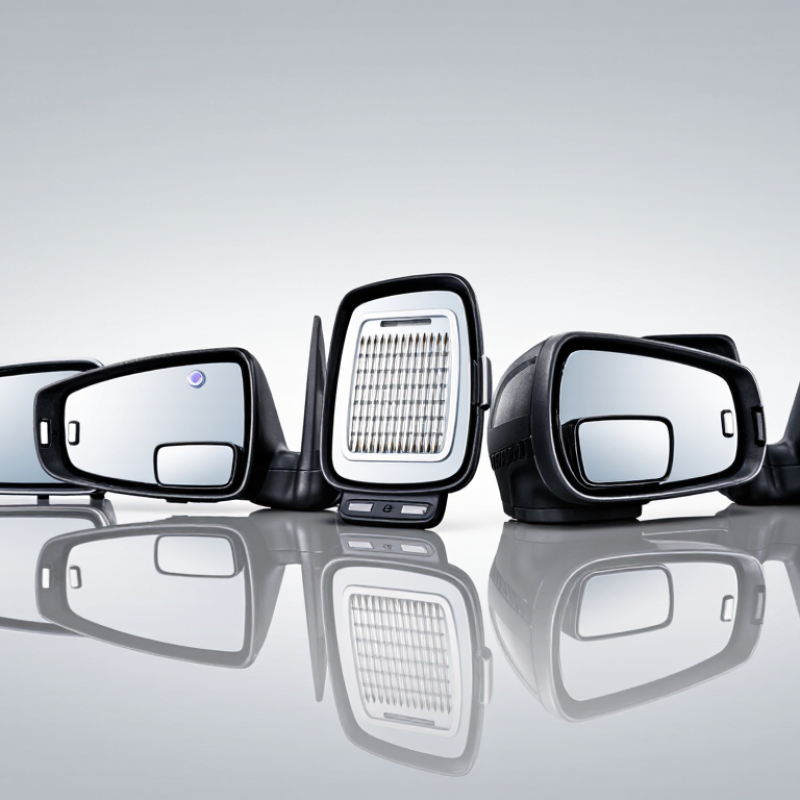
7 Best Auto Body Mirrors for Global Buyers?

Understanding Auto Body Mirror Types and Their Key Functions

Choosing the best auto body mirror starts with understanding its type and purpose. Flat mirrors provide a familiar, accurate view for judging distance. Convex mirrors cover wider areas, although vehicles may appear smaller than expected. Aspheric mirrors add a broader outer section, helping reduce blind spots during lane changes. I have found this feature useful on crowded urban roads.

Heated mirrors clear light frost, rain, and condensation from the glass. Power-adjustable mirrors let drivers change the viewing angle from inside the cabin. Folding mirrors protect the housing in narrow parking spaces and busy loading areas. Towing mirrors extend outward, giving drivers a clearer view beside trailers or wide cargo. Each design solves a different visibility problem, not merely an appearance preference.

Global buyers should check left-hand or right-hand traffic requirements, mounting points, connector types, and mirror dimensions. A replacement may look correct but still leave an unsafe viewing gap. Measure the original housing carefully, including bolt spacing and glass height. Ask for verified adjustment range and heating performance when product information seems incomplete. I once underestimated connector differences; the mirror fitted physically but needed extra checking before installation. Quality also depends on stable glass, firm hinges, clear reflection, and weather-resistant seals. A perfect mirror does not exist. Practical selection requires balancing coverage, durability, installation effort, and the vehicle’s daily working conditions.

Seven Top Auto Body Mirrors for Different Vehicle Applications

7 Best Auto Body Mirrors for Global Buyers

Seven Top Auto Body Mirrors for Different Vehicle Applications

Choosing the right mirror starts with vehicle use, not appearance. For compact cars, flat electric mirrors offer clear urban coverage and simple adjustment. SUVs need wider convex mirrors because their taller bodies create larger blind zones. Pickup trucks benefit from extended towing mirrors, especially when trailers hide the rear quarter. Vans require large vertical mirrors with lower sections for curb and cyclist visibility. Buses need broad split-view assemblies for close passenger-side areas. Off-road vehicles suit heated, folding mirrors with stronger housings. Electric vehicles can use aerodynamic mirrors, though visibility must remain the priority. OICA reported 93.5 million vehicles produced worldwide in 2023, showing how widely these applications vary.

IIHS research found blind-spot monitoring reduces lane-change crashes by about 14%. Still, electronic assistance cannot replace a properly adjusted mirror. Choose glass with stable distortion, corrosion-resistant brackets, and wiring rated for local weather. Check left-hand or right-hand traffic compatibility before ordering. A mirror may fit the door but fail at the connector. That detail is easy to miss.

Tips: Measure the mounting triangle, glass size, connector pins, and folding angle. Compare certified field-of-view requirements in the target market. For commercial fleets, keep one tested spare assembly. I would also inspect vibration after installation; a perfectly fitted mirror can still shake at highway speed.

Comparing Mirror Quality, Visibility, Compatibility, and Adjustability

For global buyers, the seven best auto body mirrors depend on driving conditions and vehicle fit.

OEM-style mirrors usually offer the closest body shape and stable visibility. Flat glass gives a familiar image, while convex glass covers a wider area with slight distortion. Heated mirrors help clear light frost and mist. Power-adjustable units improve daily comfort, especially for shared vehicles. Towing mirrors extend outward for trailers and wider loads. Auxiliary blind-spot mirrors are compact, but their small view may distract some drivers.

Quality starts with the housing, glass, and mounting points.

Look for impact-resistant plastic, firm hinges, and glass that stays clear under vibration. Visibility should include the rear lane, door area, and a small section of the vehicle side. Compatibility requires more than matching the vehicle year. Check door shape, connector type, heating function, control system, and left or right placement. Adjustability should feel smooth, not loose. A mirror that moves too easily may shift on rough roads. I once trusted a “universal” fit and needed extra alignment work. That was avoidable.

Tips:

Measure the original mirror before ordering. Compare bolt spacing, connector images, and glass size. Test every adjustment after installation. Recheck the view from the normal driving position, not the workshop chair. Buyers should also confirm return conditions and installation guidance. Small errors matter. A low-cost mirror can become expensive when visibility, fitting, or adjustment quality is poor.

Global Buying Factors: Regulations, Materials, Pricing, and Shipping

Global buyers choosing auto body mirrors should verify regulations before comparing prices. Mirror shape, field of view, reflectivity, and adjustment methods may differ by destination. Ask suppliers for test reports, installation drawings, and current conformity documents. A mirror approved for one market may fail another inspection. Check left-hand or right-hand traffic requirements. Small details matter. I have seen buyers confirm the glass but overlook the mounting bracket, causing costly rework. This is a useful warning, not a perfect rule.

Material selection affects safety, service life, and landed cost. Automotive glass should provide clear reflection and resist ordinary temperature changes. Housings made from durable polymers can reduce weight, while reinforced metal parts may suit harsh vibration. Compare UV resistance, salt-spray performance, gasket quality, and adjustment durability. Ask for sample units before placing a large order. Test them on an actual vehicle if possible. Samples can mislead. Production batches sometimes vary.

Pricing should include tooling, packaging, inspection, duties, insurance, and inland delivery. A low unit quote may hide expensive replacement costs. Request a line-item quotation with currency, validity period, minimum order quantity, and payment milestones. For shipping, confirm carton dimensions, pallet limits, moisture protection, and breakage procedures. Sea freight costs less but takes longer; air freight supports urgent replenishment. Obtain tracking and customs paperwork early. Delivery estimates are never exact. Weather, port congestion, and document errors can change arrival dates. Keep a small buffer for launch planning.

Installation, Maintenance, and Replacement Tips for Auto Body Mirrors

Replacing an auto body mirror is not just a cosmetic repair. Fit, visibility, and electrical function affect daily driving safety. Global buyers should confirm the left- or right-hand traffic configuration before ordering. Before installation, compare the mounting plate, connector, and adjustment range with the original mirror. Clean the door surface and remove rust or trapped grit. Small gaps matter. Use the specified fasteners and tighten them evenly, preferably with a torque wrench. Do not guess. Overtightening can distort the housing or damage the door panel.

After fitting, test manual or powered adjustment from the driver’s seat. Check heating, turn signals, folding motors, and blind-spot sensors when equipped. Never assume a connected plug means the system works. Confirm the mirror stays stable on a rough road and does not vibrate at highway speed. If a camera or sensor is built into the mirror, professional calibration may be required. Alignment errors can make distant vehicles appear misleadingly small. That risk is easy to underestimate.

Maintenance is simple but regular. Wipe the glass with a clean microfiber cloth and mild cleaner. Avoid spraying directly into switches, seams, or electrical connectors. Inspect mounting bolts after harsh weather, minor impacts, or repeated door slamming. Replace cracked glass, loose housings, or damaged wiring promptly. Cheap temporary fixes often become noisy failures. I have seen a mirror look secure while its inner bracket was already fractured. A careful hands-on inspection beats appearance alone.

7 Best Auto Body Mirrors for Global Buyers? - Installation, Maintenance, and Replacement Tips for Auto Body Mirrors

A practical comparison of common vehicle side-mirror solutions for passenger cars, SUVs, vans, and light commercial vehicles.

Mirror Type Typical Applications Main Advantages Typical Features Installation Guidance Maintenance Tips Replacement Indicators Typical DIY Time
Manual Convex Side Mirror Older passenger cars, basic fleet vehicles, and cost-sensitive repairs Simple construction, low purchase cost, and minimal electrical failure risk Convex glass, manual cable or direct adjustment, black or painted housing Match the mounting plate, bolt pattern, adjustment mechanism, and left- or right-hand driving position before ordering Clean with mild soap and water; lubricate manual adjustment cables only if the service instructions allow it Cracked glass, loose housing, seized adjustment, excessive vibration, or broken mounting points Approximately 30–60 minutes
Power-Adjustable Convex Mirror Modern passenger cars, SUVs, and light commercial vehicles Convenient cabin adjustment and improved side visibility compared with flat glass Electric adjustment motor, convex glass, multi-pin wiring connector Disconnect the battery when required by the vehicle service procedure; route wiring away from moving parts and confirm connector polarity Inspect the connector for moisture, test all adjustment directions, and avoid high-pressure water directly at the mirror seam Motor noise without movement, incomplete adjustment, intermittent operation, damaged wiring, or persistent vibration Approximately 45–90 minutes
Heated Power Mirror Cold, wet, snowy, coastal, and high-humidity driving environments Helps clear light frost, condensation, and water film from the mirror surface Heating element behind the glass, electric adjustment, defogging circuit Verify the vehicle has the correct heated-mirror wiring and control circuit; do not connect the heater directly to an unsuitable power source Use the vehicle’s designated defogger control, keep the glass clean, and check for corrosion at terminals Heating does not activate, only part of the glass warms, glass delamination, or visible element damage Approximately 60–120 minutes
Blind-Spot Auxiliary Mirror Urban traffic, motorcycles, lane changes, and vehicles with limited side visibility Adds a wider viewing angle and can reduce, but not eliminate, blind areas Small convex insert or auxiliary housing, adhesive or clip-on mounting Clean and dry the mounting surface; position the auxiliary mirror without blocking the main viewing area or integrated sensors Check adhesive edges and mounting clips regularly; clean with a soft microfiber cloth Cloudy surface, loose adhesive, distorted reflection, or a shifted viewing angle Approximately 10–25 minutes
Towing Extension Mirror Pickups, SUVs, trailers, caravans, and wide-load towing applications Extends the viewing position outward to improve visibility along a trailer or wide load Extended arm, large convex or dual-view glass, clamp-on or replacement housing Confirm door clearance, mounting strength, vibration resistance, and local width regulations before use Tighten fasteners to the specified torque, inspect clamps before every towing trip, and remove temporary extensions when not needed Excessive vibration, movement under load, cracked housing, damaged clamps, or insufficient rearward visibility Approximately 20–60 minutes
Manual Folding Mirror Narrow streets, compact parking spaces, delivery vehicles, and fleet use Reduces the risk of impact damage when the vehicle is parked or passing through tight areas Spring-loaded or detent folding joint, manual adjustment, convex or flat glass Align the base correctly and ensure the folding joint returns to a stable driving position without excessive play Remove grit from the hinge area, inspect spring tension, and use only a suitable light lubricant if permitted Mirror will not hold its position, hinge is seized, housing is loose, or the mirror folds during normal driving Approximately 45–90 minutes
Electric Folding Multi-Function Mirror Premium passenger cars, SUVs, fleet vehicles, and vehicles requiring integrated functions Combines powered folding with adjustment and may support heating, turn signals, or approach lighting Electric folding motor, adjustable glass, vehicle-specific connector, optional heater or signal lamp Confirm connector pin count, control compatibility, mirror-side configuration, and vehicle programming requirements before installation Operate the folding function periodically, keep hinges free of debris, and inspect wiring where it passes through the door Folding motor stalls, mirror stops synchronizing, warning messages appear, wiring is damaged, or integrated lights fail Approximately 90–180 minutes
Buyer Checklist: Verify vehicle year, body style, driving side, mirror-side position, mounting points, glass shape, connector type, heating capability, folding mechanism, camera or sensor provisions, and applicable road regulations before purchasing. Installation times are general estimates for an experienced DIY installer and may be longer when wiring, calibration, or vehicle programming is required.

FAQS

How should buyers choose mirrors for different vehicle types?

Compact cars usually need flat electric mirrors for clear urban coverage. SUVs benefit from wider convex glass. Pickup trucks need extended towing mirrors when trailers block rear views. Vans need tall mirrors with lower sections for curbs and cyclists. Buses require split-view assemblies. Off-road vehicles benefit from heated, folding designs with stronger housings.

Why is correct mirror adjustment still important?

Electronic blind-spot assistance cannot replace proper mirror positioning. Adjust the glass to cover nearby lanes and rear corners. Check visibility while seated normally. Technology helps, but it is not perfect.

What measurements should buyers confirm before ordering?

Measure the mounting triangle, glass dimensions, connector pins, and folding angle. Confirm the adjustment direction and door clearance. A mirror can fit the door but fail at the connector. That mistake is expensive.

Which materials and features affect mirror durability?

Choose clear glass with stable reflection and resistance to ordinary temperature changes. Durable polymer housings reduce weight. Reinforced metal parts may handle severe vibration better. Check UV resistance, salt-spray performance, gaskets, and adjustment strength.

How can buyers verify compatibility with local requirements?

Confirm the destination’s field-of-view, reflectivity, shape, and adjustment requirements. Check left-hand or right-hand traffic compatibility. Request current test reports and conformity documents. Approval in one market may not transfer elsewhere.

Should buyers test samples before placing large orders?

Yes, request sample assemblies and install them on an actual vehicle. Inspect vibration, wiring, folding movement, and glass clarity. Samples can mislead. Production batches may vary, so repeat inspections remain useful.

What costs should a global mirror purchase include?

Compare tooling, packaging, inspection, duties, insurance, inland delivery, and replacement costs. Request a line-item quotation. Include currency, validity, minimum order quantity, and payment milestones. A low unit price may hide later expenses.

How can buyers reduce shipping problems?

Confirm carton dimensions, pallet limits, moisture protection, and breakage procedures. Sea freight costs less but takes longer. Air freight supports urgent replenishment. Obtain tracking and customs documents early. Keep a small timing buffer. Delays happen.

Conclusion

Choosing the right Auto Body Mirrors is essential for safe, confident driving and efficient vehicle maintenance. This guide explains the main mirror types, including side, towing, blind-spot, manual, and power-adjustable designs, while highlighting their roles in improving rearward visibility. It introduces seven practical mirror options for different vehicle applications and compares them by glass quality, viewing range, compatibility, durability, weather resistance, and adjustment flexibility.

For global buyers, the guide also examines important purchasing considerations such as local regulations, material selection, price differences, packaging, and international shipping conditions. It offers useful advice on checking vehicle specifications before ordering, selecting suitable mounting systems, and confirming electrical or heating functions where applicable. Finally, readers will learn basic installation, cleaning, inspection, and replacement tips to help maintain clear visibility and extend mirror service life. This information supports informed purchasing decisions for private owners, repair professionals, distributors, and fleet operators.

Emma

Emma

Emma is a dedicated marketing professional with a deep expertise in the company's core products and services. She possesses an exceptional understanding of market trends and consumer behavior, which enables her to craft compelling narratives that resonate with our audience. Emma frequently updates......