Auto Body & Repair Blog
Expert tips, collision repair guides, custom paint advice, and industry news from Auto Parts Outlet.
What Is Automotive Aerosol Spray Paint Used For?
Automotive Aerosol Spray Paint is designed for targeted vehicle finishing and small repair work. It can refresh faded panels, cover minor scratches, and restore color around repaired areas. Many products also work on metal brackets, plastic trim, wheels, and motorcycle parts. The can delivers a controlled mist, allowing careful application in narrow spaces. A clean surface matters more than expensive paint. Dust, wax, silicone, and oil can cause peeling or uneven gloss. Light sanding usually improves adhesion, especially on older coatings. Primer may also help when bare metal or plastic is exposed.
Good results depend on preparation, product compatibility, and patience. The vehicle’s original finish should be identified before selecting a color or sheen. Factory colors may vary after years of sunlight. A spray can labeled with the correct paint code may still look slightly different. Test the product on hidden material first. That small step can prevent a disappointing repair. Apply several thin coats rather than one heavy layer. Heavy coats may sag, wrinkle, or trap solvents beneath the surface. Ventilation, gloves, eye protection, and the label’s drying instructions should never be ignored. Use the product only in suitable conditions and according to local safety requirements. Results can be imperfect. Color matching is not guaranteed. Professional refinishing remains the better choice for large panels, structural damage, or high-value vehicles. Still, when used carefully, Automotive Aerosol Spray Paint offers a practical way to improve appearance and protect selected surfaces.
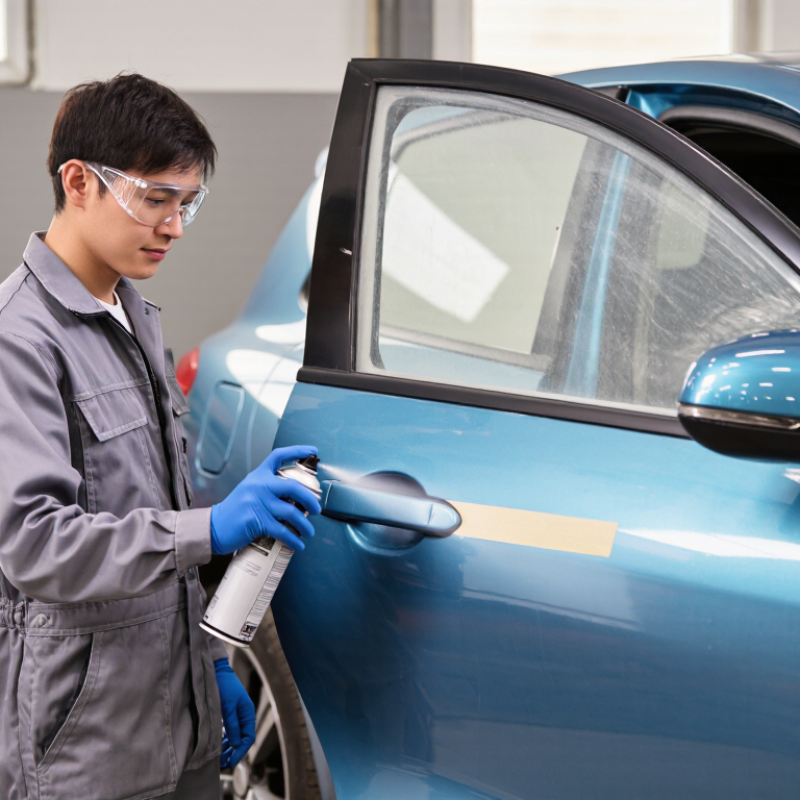
What Is Automotive Aerosol Spray Paint?
Automotive aerosol spray paint is a pressurized coating designed for vehicle surfaces. It contains color pigments, resins, solvents, and propellant. The spray valve breaks the liquid into fine droplets. This creates a more even layer than a brush can provide. It is commonly used for small repairs, trim pieces, wheels, panels, and custom color work.
Preparation controls the final result. Clean the surface with a suitable degreaser, then remove loose paint and rust. Sanding creates a profile that helps primer and paint adhere. Mask nearby glass, tires, lights, and body panels carefully. Apply several thin coats from a consistent distance. Thick coats often sag, wrinkle, or dry unevenly. Allow proper flash time between coats.
The finish also depends on temperature, humidity, and ventilation. A dry, moderate environment usually gives better atomization. Always read the product’s technical instructions before spraying. A compatible primer and clear coat can improve adhesion, color depth, and resistance to moisture. Yet aerosol paint cannot hide serious corrosion or poor panel repairs. That part is easy to underestimate. I have found that patient preparation matters more than spraying faster. Test the color on scrap material first, because the final shade may look different on the vehicle’s curved surface. Wear appropriate protective equipment and keep the work area free from ignition sources.
What Surfaces and Vehicle Parts Can It Cover?
Automotive aerosol spray paint is mainly used for small repairs, color refreshes, and localized refinishing. It can cover steel doors, hoods, fenders, trunk lids, and motorcycle body panels. It also works on properly prepared aluminum and galvanized metal. The 2023 OICA production report recorded more than 93.5 million vehicles worldwide, creating constant demand for practical surface repair. Aerosol paint is not a miracle fix.
It may cover plastic bumpers, mirror housings, grilles, and interior trim when the coating is rated for plastic. Flexible parts need suitable adhesion primer and controlled coats. Clean the surface, remove wax, sand dull areas, and repair corrosion before spraying. A thin coat usually looks better than one heavy pass. The weak point is preparation. Even careful work can reveal a slight shade mismatch under direct sunlight.
Do not spray tires, glass, lamps, brake discs, pads, exhaust outlets, or active sensors. These parts require different materials or must remain unobstructed. The U.S. EPA’s automotive refinishing requirements identify coating application as an emissions-controlled activity, reinforcing the need for ventilation, filters, and approved respiratory protection. Industry repair guidance also recommends checking substrate compatibility before application.
In practice: aerosol paint suits cosmetic panels and trim, but it cannot replace structural repair or professional refinish equipment.
How Should a Surface Be Prepared Before Painting?
Automotive aerosol spray paint is commonly used for small repairs, touch-ups, trim restoration, and color changes on compatible vehicle surfaces. It can refresh a faded mirror cover or hide minor scratches. However, the finish depends more on preparation than spraying technique. A poorly prepared panel may look acceptable briefly, then peel or show uneven color.
Start by washing the area with automotive soap and clean water. Remove wax, grease, silicone, and road film with a suitable surface cleaner. Let the panel dry completely. Inspect it under bright light. Sand loose paint and smooth the repair edges with fine abrasive paper. Rust must be removed fully, not simply covered. That shortcut often fails.
Use a clean, lint-free cloth to remove sanding dust. Avoid touching the prepared surface with bare fingers. Mask nearby glass, tires, lights, and trim with proper masking materials. Protect the work area from dust and wind. Good ventilation matters. Wear eye protection and a properly rated respirator according to local safety guidance.
Test the paint on hidden material first. This checks color, adhesion, and possible reactions with the old coating. I once rushed this step and found unexpected lifting around an old repair. The test would have revealed it. The surface should feel smooth, dry, and dull before painting, although perfection is not always realistic on an older vehicle.
How Is Automotive Aerosol Spray Paint Applied?
Automotive aerosol spray paint is used to repair small scratches, faded panels, and exposed areas on vehicles.
Applied carefully, it can refresh a bumper, mirror cover, or metal trim. The final appearance depends more on preparation than spraying speed. Rushed masking often creates sharp paint edges and unwanted overspray.
Not always.
Begin by washing the panel with automotive-safe soap and clean water. Remove wax, grease, and road film with a suitable surface cleaner. Let the panel dry completely.
Sand damaged paint gently until the edges feel smooth under your fingertips. Wipe away dust with a lint-free cloth. Mask nearby glass, tires, lights, and trim with quality masking materials.
Use gloves, eye protection, and strong ventilation during every spraying stage.
Shake the can for the time stated on its label. Hold it about 20 to 30 centimeters from the surface. Start moving before pressing the nozzle, then sweep across the panel evenly.
Apply several light coats instead of one heavy coat.
Heavy layers can sag, wrinkle, or trap solvent. Allow each coat to flash according to the product instructions. Temperature and humidity matter more than many beginners expect.
After curing, inspect the finish in direct light. Small texture differences may remain, and that is where professional correction usually begins.
What Safety Measures and Limitations Should Be Considered?
Automotive aerosol spray paint is mainly used for small repairs, color touch-ups, trim restoration, and refinishing metal or plastic parts. It works well on scratches, stone chips, mirror housings, wheels, and interior panels. However, the finish depends heavily on surface preparation, temperature, and spray distance. A rushed repair often looks acceptable outdoors but uneven under workshop lighting.
Safety requires more than wearing a simple mask. The NIOSH Pocket Guide lists a 100 ppm recommended exposure limit for both toluene and xylene, solvents commonly found in some coating systems. Actual formulas differ, so the product Safety Data Sheet must guide protection choices. OSHA’s Hazard Communication Standard also requires accessible labels and safety information for hazardous mixtures. Use strong cross-ventilation, chemical-resistant gloves, eye protection, and suitable organic-vapor respiratory protection when required. Keep the can away from flames, sparks, hot panels, and direct sunlight. Never spray near food, children, or occupied rooms. Aerosol paint cannot replace a controlled spray booth, especially for large panels or products containing reactive hardeners. The limitation is easy to underestimate.
Tips: Clean grease thoroughly. Sand glossy edges. Test on hidden material first. Shake the can for the full label time. Apply several thin coats, not one heavy coat. Allow curing time before polishing. A respirator alone is not a safety plan. I would also check wind direction outdoors; overspray can travel farther than expected.
FAQS
It can cover steel doors, hoods, fenders, trunk lids, and motorcycle panels. It may also suit prepared aluminum, galvanized metal, bumpers, mirror housings, grilles, and trim. Compatibility matters.
No. It suits scratches, faded areas, and small cosmetic repairs. It cannot replace structural repairs or professional refinishing equipment. It is not a miracle fix.
Avoid tires, glass, lamps, brake discs, brake pads, exhaust outlets, and active sensors. Paint can reduce visibility, grip, braking performance, or sensor accuracy. Keep them fully covered.
Wash it with automotive soap and clean water. Remove wax, grease, silicone, and road film with a suitable cleaner. Let the panel dry completely before sanding or masking.
Remove rust fully instead of covering it with paint. Sand loose coating and smooth the repair edges with fine abrasive paper. A hidden rust spot can return later.
Shake the can as directed on its label. Hold it about 20 to 30 centimeters from the surface. Start moving before pressing the nozzle, then apply several light coats. Heavy coats may sag or wrinkle.
Follow the product’s stated flash and curing times. Temperature and humidity can change drying speed. Do not rush the next coat. I sometimes underestimate this step.
Use strong ventilation, eye protection, gloves, and an appropriately rated respirator. Protect nearby glass, tires, lights, and trim with masking materials. Follow local safety requirements for coating work and waste disposal.
Direct sunlight can reveal a slight shade mismatch. Old paint may have faded, even when the color seems similar indoors. Test the aerosol on hidden material first. It may still be imperfect.
Conclusion
Automotive Aerosol Spray Paint is a convenient coating designed for refreshing, repairing, or customizing vehicle surfaces and components. It can be used on properly prepared metal, plastic, fiberglass, and certain composite parts, including body panels, bumpers, mirrors, trim, wheels, and small accessories. Its main uses include covering minor scratches, restoring faded color, blending repaired areas, and adding a clean protective finish.
Before painting, the surface should be washed, degreased, dried, and lightly sanded to remove loose material and improve adhesion. Rust, peeling paint, and deep damage should be addressed first, while suitable primer may be needed for bare metal or plastic. Apply the spray in a well-ventilated area using several thin, even coats rather than one heavy layer. Follow the product’s drying and recoat instructions, and use appropriate protective equipment such as gloves, eye protection, and a respirator suitable for paint vapors. Automotive Aerosol Spray Paint is not a substitute for professional body repair and may have limitations in durability, color matching, heat resistance, and compatibility with certain surfaces.

Blog Tags: