APO News & Insights

Auto Body & Repair Blog

Expert tips, collision repair guides, custom paint advice, and industry news from Auto Parts Outlet.

0%

Choosing the right Wanda Refinish Paint product can shape a repair shop’s finish quality, workflow, and long-term costs. Global buyers need more than attractive color charts. They must examine coverage, curing behavior, color accuracy, surface compatibility, and technical support before placing an order.

This guide reviews seven Wanda Refinish Paint products for different professional situations. The selection considers primers, basecoats, clearcoats, hardeners, and related refinishing solutions. Each option should be judged against the repair environment. A busy workshop may value fast drying, while a humid coastal market may need stronger process control. Temperature, spray equipment, mixing ratios, and technician experience can change the final result.

Real workshop conditions are rarely perfect. Dust may settle near the spray booth. A panel may show slight shade variation under bright daylight. Even a respected product can perform poorly when preparation is rushed. That point deserves attention. Product labels, technical data sheets, and authorized supplier guidance should remain the primary references. Buyers should also confirm packaging integrity, batch information, storage requirements, and regional availability.

The recommendations aim to support informed purchasing rather than promise identical results everywhere. Test panels are still necessary. Small trials can reveal whether a color matches existing bodywork and whether the coating responds well to local equipment. Some products may appear economical, yet waste from rework can quickly change the calculation. By comparing practical performance, application demands, and supplier reliability, global buyers can select a more suitable Wanda Refinish Paint solution for their repair operations.
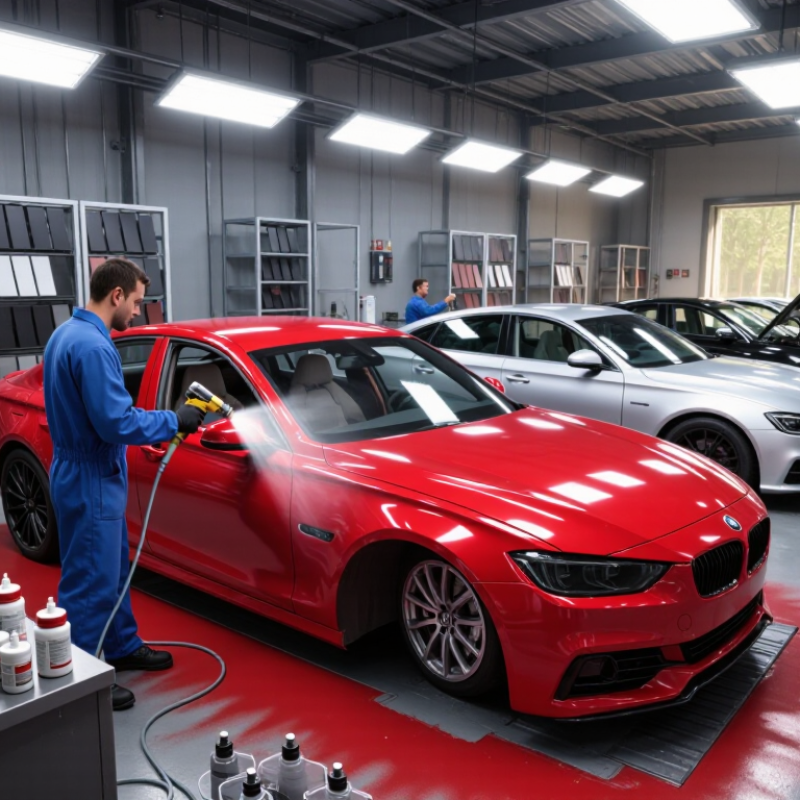
7 Best Wanda Refinish Paint Products for Global Buyers?

Wanda Refinish Paint: Brand Overview and Product Selection Criteria

Choosing a professional refinish paint system requires more than comparing price tags. Global buyers should examine color accuracy, coverage, drying time, and compatibility with primers, clear coats, and spray equipment. A reliable system should provide technical data sheets, safety guidance, batch information, and consistent performance across different climates.

Look for products that suit the repair scale. A fast-drying basecoat may support busy workshops, while a high-build primer can help correct sanding marks and small surface defects. Metallic colors need careful application because spray distance and air pressure can change the final appearance. Test panels matter. Always test first.

Climate is another practical filter. Humid regions may require controlled flash times, while colder workshops can slow curing. Ask whether the product supports waterborne or solvent-based workflows, depending on local regulations and existing equipment. Authorized technical support also improves purchasing confidence, especially when workers need mixing ratios or troubleshooting advice.

Do not judge gloss from a showroom sample alone. Lighting can hide uneven coverage. I have seen promising finishes reveal dry spray under strong inspection lamps. That mistake was avoidable. Buyers should compare real repair panels, document material usage, and check whether replacement batches match earlier work. Packaging quality, shelf life, export documentation, and stable supply also deserve attention. A cheaper product becomes expensive when rework delays delivery.

7 Best Refinish Paint Product Categories for Global Buyers

Product selection should balance curing speed, corrosion protection, appearance, application method, VOC requirements, and compatibility with the existing coating system.

Indicative midpoint values based on commonly published technical-data-sheet ranges: actual recoat times vary with temperature, humidity, film thickness, hardener selection, and local application requirements. Always verify the product technical data sheet and applicable VOC regulations before purchase.

Wanda Primer Products for Surface Preparation and Corrosion Protection

Surface preparation determines whether a refinish system survives rain, salt, and daily washing. For global buyers, the best primer choice depends on substrate, humidity, repair size, and local VOC rules.

Seven practical primer products deserve attention: epoxy primer, etch primer, high-build surfacer, wet-on-wet primer, epoxy sealer, zinc-phosphate corrosion primer, and plastic adhesion primer.

Epoxy primer suits bare steel and aluminum when strong moisture resistance is needed. Etch primer improves metal bonding, but it needs careful film control. High-build surfacer fills sanding marks around repaired panels.

Wet-on-wet primer saves time on properly prepared surfaces. Plastic adhesion primer works differently and should not replace a metal system.

Preparation is physical, not theoretical.

A repaired panel should feel evenly abraded, dry, and free from grease. A small shiny edge can later become a visible failure.

I have seen rushed sanding weaken an otherwise excellent coating system. That is worth remembering.

The NACE IMPACT study estimated global corrosion costs at about US$2.5 trillion annually, equal to roughly 3.4% of global GDP. Its prevention message remains relevant to vehicle refinishing.

ISO 12944 also emphasizes substrate preparation and coating-system selection for corrosion control.

Buyers should check technical data sheets for adhesion testing, recoat windows, dry-film thickness, salt-spray results, and temperature limits.

Marketing claims are not enough. Some products perform well in laboratories but disappoint under poor workshop conditions.

Wanda Basecoats for Color Matching and Professional Vehicle Repairs

For global buyers, the seven best refinish paint products are not simply the brightest colors. They include solid, metallic, pearl, high-chroma, fleet white, low-VOC, and waterborne basecoats. Each type supports a different repair situation. In daily workshop use, accurate color matching depends on film thickness, spray pressure, flash time, and panel orientation. Small errors become visible under LED lights.

The 2023 Global Automotive Color Popularity Report recorded white at about 34% of vehicles, followed by black at 21% and gray at 19%. These figures show why dependable white, black, and gray basecoats deserve priority in international inventories. Metallic and pearl systems remain essential for late-model repairs. Their aluminum or mica particles must lie evenly. A light mist coat can prevent patchy reflections. Sometimes, it still fails.

Professional technicians should compare a spray-out card with the vehicle before mixing the final formula. Digital spectrophotometers improve speed, but they cannot replace trained visual inspection. A 2024 collision repair industry survey reported that labor shortages continue to pressure repair shops, making simple application procedures increasingly valuable. Buyers should review tinting range, batch consistency, technical documentation, and climate performance. Waterborne options may reduce solvent emissions, while compliant low-VOC systems can support regional requirements. However, “global” does not mean universal; local regulations, humidity, and curing conditions can change results. Small test panels remain a reliable habit.

7 Best Wanda Refinish Paint Products for Global Buyers? - Wanda Basecoats for Color Matching and Professional Vehicle Repairs

No. Basecoat Product Type Finish and Appearance Typical Professional Application Color-Matching Considerations Application Guidance Global Buyer Suitability
1 Solid-Color Basecoat Non-metallic colors with a uniform, opaque appearance. General vehicle repairs, fleet vehicles, commercial vehicles, and classic solid-color finishes. Use a verified color formula and compare the spray-out panel with adjacent vehicle panels under daylight and artificial light. Apply thin, even coats over a suitable prepared surface; allow the specified flash time between coats and protect with a compatible clearcoat when required. A practical choice for repair shops needing straightforward application and broad color coverage.
2 Fine-Metallic Basecoat Metallic finish with fine aluminum particles and controlled light reflection. Modern passenger cars, spot repairs, panel refinishing, and silver or gray vehicle colors. Spray distance, gun setup, overlap, pressure, and final orientation coat can affect the shade and metallic flop. Maintain consistent gun movement and overlap. A light orientation coat may help even out metallic distribution before clearcoating. Well suited to professional repairers with controlled spray booths and trained application staff.
3 Coarse-Metallic Basecoat Stronger sparkle and more visible metallic grain than fine-metallic finishes. Large-panel repairs, contemporary vehicle colors, and finishes requiring a pronounced metallic effect. Panel angle, spray technique, and background color can noticeably change the perceived shade and grain orientation. Use a test panel before the repair. Keep application conditions consistent across the repaired area and adjacent blend zone. Recommended for experienced technicians who regularly perform metallic color blending.
4 Pearlescent Basecoat Color-shifting or luminous appearance created by light-reflective pearlescent pigments. Three-stage or effect-color repairs, premium vehicle finishes, and white, red, blue, or gold pearl colors. Groundcoat shade, pearl layer thickness, viewing angle, and number of passes strongly influence the final color. Use a controlled spray-out procedure and record the number of pearl coats. Apply the protective clearcoat only after the basecoat has flashed correctly. Best for repair centers with color documentation, test-panel facilities, and skilled painters.
5 High-Chroma Basecoat Strong, saturated colors such as bright red, orange, yellow, blue, or green. Custom refinishing, sports vehicles, motorcycle panels, and vivid OEM-style colors. The primer or groundcoat color can affect opacity, brightness, and final saturation; use the recommended undercoat shade. Build coverage gradually with uniform coats and avoid excessive film thickness, which can affect drying and appearance. Suitable for buyers serving custom shops, vehicle restorers, and appearance-focused repair markets.
6 Transparent Toner Basecoat Semi-transparent color layer used to adjust hue, depth, or effect intensity. Color correction, custom tinting, candy-style effects, and controlled shade adjustments. Film build and the underlying color have a direct effect on the final result; a spray-out panel is essential. Measure mixtures accurately and apply a consistent number of coats. Avoid relying on visual judgment without a documented test panel. Most appropriate for advanced refinishing facilities with accurate scales and formulation records.
7 Waterborne Basecoat Modern color-matching basecoat designed to reduce solvent emissions compared with conventional solventborne systems. Professional body shops operating under low-VOC requirements and markets with waterborne refinishing regulations. Humidity, airflow, flash conditions, substrate shade, and color-tool accuracy can influence drying and matching results. Requires suitable ventilation, airflow, application equipment, and compatible supporting products. Follow the product technical data sheet for drying and recoating limits. A strong option for buyers prioritizing environmental compliance and modern body-shop processes.

Note: Exact mixing ratios, flash times, coverage, VOC limits, equipment settings, and clearcoat compatibility vary by formulation and local regulations. Always confirm the current technical data sheet, safety data sheet, and regional compliance requirements before purchase or application.

Wanda Clearcoats for Gloss, Durability, and Surface Protection

For global buyers comparing seven refinishing paint options, clearcoat performance often decides the final result. A strong clearcoat should deliver deep gloss, reliable hardness, and lasting surface protection. In workshop use, the best choice depends on panel size, climate, drying equipment, and repair speed.

A fast-drying clearcoat suits small repairs and busy service bays. A high-solids formula can create richer film build with fewer applications. UV-resistant clearcoats help protect color under strong sunlight. Ceramic-enhanced options may improve resistance to water spots and light chemicals. Matte and satin clearcoats provide controlled sheen for specialty finishes. Flexible clearcoats work better on plastic parts and curved panels. Premium polishing clearcoats allow technicians to correct minor dust nibs after curing.

Details matter. Clean the panel carefully. Measure the mixing ratio accurately. Poor preparation can make an excellent product look weak. I have seen glossy panels lose clarity because the spray distance changed between passes. That mistake is easy to repeat. It also deserves honest review.

Application temperature affects flow, flash time, and final gloss. Buyers should request technical data, shelf-life details, and compatibility guidance before ordering. Test panels remain valuable, especially when products cross different climates. No clearcoat performs perfectly in every workshop. The real benchmark is consistent protection, even gloss, and predictable repair work.

How Global Buyers Can Compare and Purchase Wanda Refinish Paint Products

Global buyers comparing seven refinishing paint products should assess performance, documentation, and supply stability together. The main categories include primer, sealer, basecoat, clearcoat, hardener, thinner, and plastic adhesion promoter. Each serves a different repair stage. A primer may improve corrosion resistance, while a clearcoat controls gloss, depth, and surface protection. Product labels alone rarely provide enough evidence.

Request the technical data sheet and safety data sheet before purchasing. Check mixing ratios, drying times, recommended nozzle sizes, coverage, color references, and storage temperatures. Ask for batch numbers and shelf-life details. A small test panel can reveal spray behavior under local humidity. I have found that a finish looking excellent in a dry workshop may react differently in a coastal climate. That detail is easy to miss.

Buyers should compare sample results, minimum order quantities, packaging quality, lead times, and after-sales support. Confirm whether the supplier can provide consistent batches and replacement procedures for damaged containers. Local regulations may also affect solvent content, labeling, transport, and workplace handling. Do not rely only on the lowest quoted price. A cheaper coating may require more layers or create costly rework. My own comparison process would be stricter next time: record panel temperature, air pressure, flash time, and final gloss. Small records prevent large assumptions.

FAQS

What should buyers compare when selecting a professional refinish paint system?

Compare color accuracy, coverage, drying time, and equipment compatibility. Request technical sheets, safety guidance, batch details, and shelf-life information. Price alone can mislead.

Which products suit busy repair workshops?

Fast-drying basecoats and clearcoats can support quick repairs. They reduce waiting time between applications. However, drying speed still depends on temperature and humidity.

Why are test panels important?

Test panels reveal uneven coverage, color differences, and drying problems before full application. Use strong inspection lighting. Showroom samples can hide defects.

How does climate affect refinishing results?

Humid conditions may require controlled flash times. Cold workshops can slow curing and change flow. Test the system in the actual working environment.

What should technicians check when applying metallic colors?

Spray distance and air pressure can change metallic appearance. Keep application movements consistent. Small differences may become visible across a large panel.

How can buyers choose a suitable clearcoat?

Fast-drying clearcoats suit small repairs. High-solids formulas can provide richer film build. UV-resistant types help protect color in strong sunlight.

Are specialized clearcoats useful for unusual surfaces?

Flexible clearcoats generally suit plastic parts and curved panels. Matte and satin options control surface sheen. Ceramic-enhanced products may resist water spots and light chemicals.

What application mistakes can reduce gloss?

Incorrect mixing ratios, poor cleaning, and changing spray distance can reduce clarity. Measure carefully. Clean the panel thoroughly. I have seen good materials fail here.

How should buyers control long-term purchasing risk?

Compare real repair panels, material usage, packaging, export documents, and supply stability. Check whether later batches match earlier work. Rework can erase any apparent savings.

Conclusion

This guide explores 7 best Wanda Refinish Paint products for global buyers, focusing on practical selection for professional vehicle repair and refinishing. It begins with an overview of the product range and explains key criteria such as surface condition, application method, climate, color requirements, drying performance, durability, and compliance with local purchasing standards. Special attention is given to primer products, which help prepare surfaces, improve adhesion, and provide protection against corrosion before further refinishing work.

The article also reviews basecoats designed for accurate color matching and consistent coverage, as well as clearcoats that enhance gloss, protect the finish, and support long-term resistance to everyday wear. For international buyers, the guide outlines how to compare product specifications, packaging, technical documentation, supplier reliability, shipping considerations, and after-sales support. By evaluating these factors together, buyers can select suitable Wanda Refinish Paint products for efficient, consistent, and professional repair results across different markets.

Ethan

Ethan

Ethan is a dedicated marketing professional with a profound expertise in our company's product offerings. His deep understanding of the market enables him to craft compelling content that not only highlights the unique features of our products but also educates our audience about the benefits they......