Auto Body & Repair Blog
Expert tips, collision repair guides, custom paint advice, and industry news from Auto Parts Outlet.
How to Choose the Best Automotive Refinishing Products?
Table of Contents
- Understanding Automotive Refinishing Product Categories
- Assessing Vehicle Surface Conditions and Repair Requirements
- Comparing Product Quality, Compatibility, and Performance
- Selecting Primers, Paints, Clear Coats, and Finishing Materials
- Applying Safety, Environmental, and Budget Considerations
- FAQS
- Conclusion
- Related Posts
Choosing the best Automotive Refinishing Products requires more than selecting a familiar brand. A successful repair must match the vehicle’s substrate, existing paint system, climate, and workshop equipment. Axalta’s 2024 Global Automotive Color Popularity Report shows white, black, and gray remain dominant worldwide. Together, they represent most vehicle colors, yet shade variation still appears under different lighting. A small difference near a door edge can become obvious in sunlight.
Professional selection begins with technical evidence. Review the product’s technical data sheet, safety data sheet, mixing ratio, flash time, and curing requirements. Check compatibility between primers, sealers, basecoats, and clearcoats. Waterborne and solventborne systems may demand different application methods, ventilation, and drying conditions. The U.S. Environmental Protection Agency’s automotive refinishing guidance highlights the importance of controlling coating emissions and following approved application practices. Product performance also depends on spray-gun setup, film thickness, booth temperature, and technician experience.
No product wins every repair. That is the uncomfortable truth. A premium clearcoat can still fail after poor surface preparation. A fast-drying primer may create problems in a cold workshop. Therefore, test unfamiliar materials on a prepared panel before full application. Inspect gloss, color accuracy, adhesion, sanding response, and polishing behavior after curing. Reliable suppliers should provide traceable batch information, training, warranty terms, and responsive technical support. This guide compares those practical factors, not only catalog claims. Some recommendations may need adjustment, because real workshops rarely operate under perfect conditions.
Understanding Automotive Refinishing Product Categories
How to Choose the Best Automotive Refinishing Products?
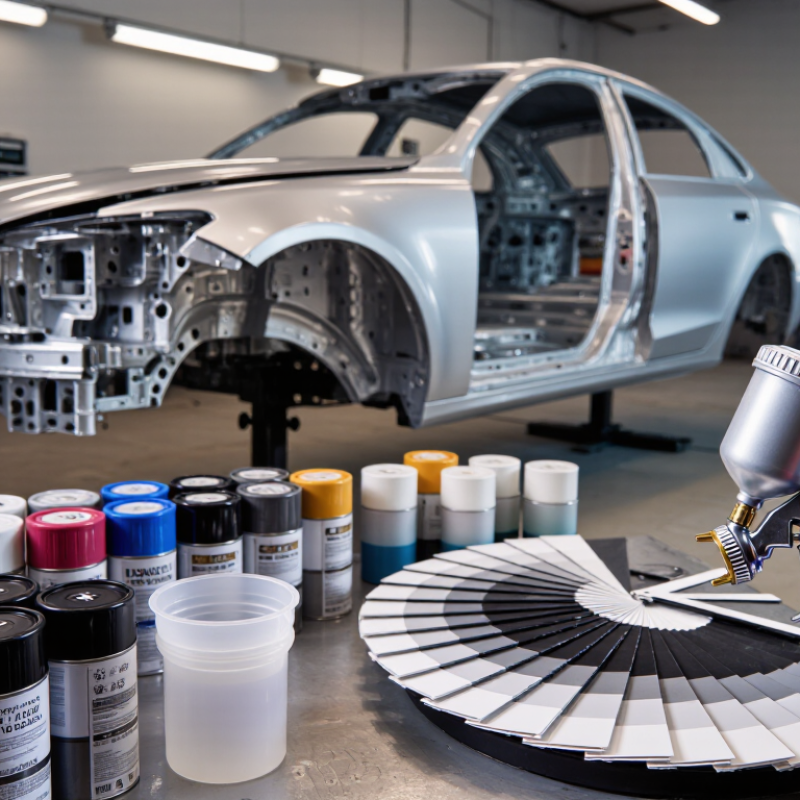
Understanding product categories is more practical than chasing a single “best” solution. Automotive refinishing usually includes cleaners, degreasers, abrasives, body fillers, primers, sealers, basecoats, clearcoats, and additives. Each category solves a different surface problem. A degreaser removes silicone and road film before sanding. An abrasive creates a controlled surface profile. Primer then supports adhesion and corrosion resistance. The order matters.
I learned this through repeated workshop mistakes. A premium clearcoat cannot correct poor preparation. It only makes defects more visible. Choose products according to substrate, repair size, drying conditions, and application method. Waterborne and solventborne systems also require different preparation practices. Read the technical data sheet, including mixing ratios and recoat windows. Small errors become expensive under bright inspection lights.
Market evidence supports careful category selection. Grand View Research estimated the global automotive refinish coatings market at more than USD 10 billion in 2023, with continued growth expected through 2030. The report links demand to vehicle repair activity and stricter efficiency requirements. That growth does not make every product suitable. A high-solid primer may reduce material use, yet poor temperature control can still cause defects. I still question quick “universal” claims. Test compatibility on a hidden panel, record the result, and adjust the system when the finish behaves differently.
Assessing Vehicle Surface Conditions and Repair Requirements
Choosing automotive refinishing products starts with examining the vehicle’s surface. Do not select paint or primer by color alone. Inspect the panel under strong, angled light. Look for gloss loss, scratches, dents, rust spots, peeling layers, and uneven repairs. Run your fingertips across the surface. Your eyes may miss shallow ripples.
In my workshop experience, the repair history often matters more than the visible damage. A panel with old filler may need careful sanding and a compatible primer. Bare metal requires different preparation from sound, existing paint. Moisture, grease, and silicone contamination can cause fisheyes or poor adhesion. I once trusted a clean-looking panel and skipped a deeper inspection. The finish later revealed hidden sanding marks. That mistake still influences my process. Product choice should follow the surface condition, not convenience.
Tips: Clean a small test area first. Measure the damaged section. Check whether the existing coating is stable. Feather sharp paint edges gradually. Use suitable protection and ventilation during preparation. Keep notes about grit sizes, drying times, and mixing ratios. If the coating reacts, stop and reassess instead of adding another layer. Some repairs need professional evaluation, especially when corrosion extends beneath the visible panel. A perfect-looking surface is not always structurally ready for refinishing.
Comparing Product Quality, Compatibility, and Performance
How to Choose the Best Automotive Refinishing Products?
Product quality is more than a glossy label or a fast drying time. In my workshop experience, a reliable coating spreads evenly and keeps its color after repeated washing. Check the technical sheet for coverage, curing time, film thickness, and storage requirements. A smooth finish starts with consistent material.
Compatibility deserves equal attention. Primer, basecoat, clearcoat, and thinner must work as a complete system. Mixing products from different systems can cause lifting, dullness, or poor adhesion. Test a small panel first. I once skipped this step and had to sand an entire door again. The mistake was avoidable. Surface preparation also matters, including cleaning, sanding, and controlling dust.
Performance should match the vehicle and working conditions. A product used on a daily driver may need strong resistance to sunlight, moisture, chemicals, and minor abrasion. Spray behavior matters too. Watch the fan pattern, atomization, and flash time under actual shop temperatures. A coating that performs well in a warm booth may react differently in cool, humid air. Read safety and application guidance carefully, then record the mixing ratio and drying results. Small notes can reveal problems before the final coat.
How to Choose the Best Automotive Refinishing Products?
Comparing product quality, compatibility, and performance across common automotive refinishing categories
The comparison uses a 0–100 evaluation scale. Quality reflects durability, chemical resistance, and finish consistency; compatibility reflects substrate and system compatibility; performance reflects coverage, application behavior, curing, and final appearance. Actual results depend on surface preparation, climate, equipment, and the manufacturer’s technical data sheet.
Selecting Primers, Paints, Clear Coats, and Finishing Materials
How to Choose the Best Automotive Refinishing Products?
Selecting Primers, Paints, Clear Coats, and Finishing Materials
A reliable refinish begins with the primer, not the color. Choose a primer that matches the substrate, such as steel, aluminum, plastic, or existing paint. Surface preparation matters more than expensive materials. Remove grease, dust, and loose coating before application. I always check the technical data sheet for mixing ratios and curing times. Small incompatibilities can cause lifting, swelling, or poor adhesion later.
Test it first. Apply the paint to a prepared sample panel before spraying the vehicle. Check color, coverage, metallic orientation, and drying behavior under the actual workshop lighting. Solvent-based and water-based systems may require different reducers, spray settings, and flash times.
A clear coat should match the paint system and provide the needed gloss, durability, and repairability. Rushing between coats often creates solvent pop or uneven texture.
Finishing materials include abrasives, polishing compounds, masking products, and panel wipes. Select abrasives by grit and use a firm, clean backing pad for consistent sanding. Keep the spray area controlled, with stable temperature, moderate humidity, and clean air. I once underestimated panel temperature and created a finish that looked fine at first, then developed texture. That mistake changed my process. Product choice matters, but measurement, patience, and careful inspection matter just as much.
Applying Safety, Environmental, and Budget Considerations
How to Choose the Best Automotive Refinishing Products?
Applying Safety, Environmental, and Budget Considerations
A refinishing product should protect people before it improves appearance. Check its safety data sheet before opening the container. Wear suitable gloves, eye protection, and a properly fitted respirator when required. Good ventilation matters, even in a familiar workshop. Never rely on smell as a safety test.
Environmental impact also deserves practical attention. Choose products with lower volatile organic compound emissions when they meet the repair specification. Measure carefully to reduce leftover material and unnecessary waste. Keep solvents, paint residue, and contaminated cloths in approved containers. Local disposal rules can vary, so verify them with a qualified authority. Small details matter.
Budget decisions should include labor, rework, and disposal costs. A cheaper coating may require extra sanding or another application. I once selected a low-cost filler for a small repair, and its poor spreading behavior increased labor time. That choice looked economical only on paper. Compare coverage, drying time, shelf life, and compatibility with existing layers. Technical data sheets provide more reliable guidance than attractive price labels.
Test a small prepared area first. Check adhesion, color development, and drying behavior. Record the result for future jobs. Some products perform differently under changing temperature or humidity. That uncertainty deserves respect. When safety, environmental control, and total cost point in the same direction, the product choice becomes easier to defend.
How to Choose the Best Automotive Refinishing Products? - Applying Safety, Environmental, and Budget Considerations
| Product Type | Typical Application | Safety Considerations | Environmental Considerations | Typical Drying or Curing | Relative Material Cost | Best Selection Criteria |
|---|---|---|---|---|---|---|
| Waterborne Basecoat | Color layer for passenger vehicles and light commercial vehicles, normally used beneath a clearcoat. | Use a spray booth, suitable respiratory protection, gloves, eye protection, and effective ventilation. Follow the product safety data sheet. | Generally produces lower solvent emissions than conventional solvent-based basecoat, but still requires controlled overspray collection and waste handling. | Usually flashes through with clean, dry airflow; drying time depends strongly on humidity, booth airflow, film thickness, and temperature. | Medium to high | Choose when reduced solvent emissions, color accuracy, and compliance with local VOC requirements are priorities. |
| Solvent-Based Basecoat | Color application for repairs and refinishing where the paint system and local regulations permit solvent technology. | Flammable vapors and solvent exposure are key risks. Use ignition control, booth ventilation, chemical-resistant gloves, eye protection, and an appropriate respirator. | Typically has higher VOC potential than waterborne alternatives. Confirm the applicable VOC limits before purchase and use. | Often provides predictable flash-off and can be convenient in controlled shop conditions; actual time varies by temperature and reducer selection. | Medium | Consider when equipment, technician experience, local rules, and total system cost favor solvent-based application. |
| Two-Component Polyurethane Clearcoat | Transparent protective finish applied over a compatible basecoat to provide gloss, weather resistance, and chemical resistance. | Many two-component systems contain isocyanate-based hardeners. Professional spray application requires strict exposure controls, supplied-air respiratory protection where required, protective clothing, and a compliant booth. | May offer lower-solvent or high-solids formulations, but overspray, leftover mixed material, and cleaning solvent must be managed as regulated waste where applicable. | Commonly reaches handling strength after several hours and continues curing afterward; exact bake and air-dry schedules must follow the technical data sheet. | Medium to high | Select for long-term gloss, durability, and resistance to fuel, weather, and routine washing when professional safety controls are available. |
| Two-Component Epoxy Primer | Corrosion protection and adhesion promotion on properly prepared bare metal and other approved substrates. | Avoid skin and eye contact, use suitable gloves and eye protection, and control vapors and sanding dust. Observe the product’s recoat and induction requirements. | Solvent content varies considerably. Unused mixed material should not be poured into drains and must be disposed of according to local waste rules. | Often provides a useful recoat window after initial cure; full performance develops as the film continues to cure. | Medium | Choose when corrosion resistance, substrate adhesion, and long-term repair durability are more important than the lowest initial cost. |
| High-Solids Primer Surfacer | Filling minor sanding marks and surface imperfections before sanding and topcoat application. | Control spray mist and sanding dust with ventilation, respiratory protection, gloves, eye protection, and suitable dust extraction. | High-solids products can reduce solvent use per applied film thickness, but overspray and sanding residue still require proper collection and disposal. | Drying depends on coat thickness, temperature, hardener choice, and airflow; excessive film build can extend sanding time. | Low to medium | Select for efficient surface leveling, adequate coverage, and compatibility with the planned topcoat system. |
| One-Component Acrylic or Alkyd Aerosol | Small cosmetic repairs, touch-ups, brackets, and non-critical components where a full spray-gun system is not practical. | Aerosol propellants and solvents are flammable. Use only with strong ventilation away from ignition sources, and wear eye, skin, and respiratory protection. | Produces packaging waste and solvent emissions. Empty containers may remain hazardous and should be handled according to local disposal requirements. | Usually touch-dry relatively quickly, but full hardness and recoat behavior vary by formulation, temperature, and film thickness. | Low | Choose for limited-area work and low equipment investment, not for large panels or repairs requiring maximum durability. |
FAQS
Inspect under strong, angled light. Look for gloss loss, scratches, dents, rust, peeling, and uneven repairs. Run your fingertips across the panel. Shallow ripples can hide from your eyes.
Old filler may require careful sanding and a compatible primer. Bare metal needs different preparation from stable existing paint. Hidden layers can react unexpectedly. Surface history matters.
Clean a small area and inspect its edges. Sand lightly and watch for lifting, swelling, or softening. Apply a test layer before treating the entire panel. I sometimes trust appearances too quickly.
Match the primer to the substrate. Steel, aluminum, plastic, and painted surfaces may need different formulas. Remove grease, dust, and loose coating first. Check mixing ratios and curing times.
A test panel reveals color, coverage, metallic orientation, and drying behavior. Use the same lighting and application settings. Check it after drying, not only while wet. Small tests prevent expensive surprises.
Moisture, grease, silicone, unstable coatings, and incorrect mixing can cause defects. Rushing between coats may create solvent pop or rough texture. Temperature and humidity also matter. Measure carefully.
Read the safety data sheet before opening a container. Wear suitable gloves, eye protection, and a properly fitted respirator when required. Provide good ventilation. Smell is not a safety test.
Compare coverage, drying time, shelf life, compatibility, labor, and disposal costs. Measure materials accurately and store residue in approved containers. Lower-emission products can help when they meet the repair specification. My cheapest filler once increased labor, so the saving was imaginary.
Conclusion
Choosing the right Automotive Refinishing Products begins with understanding the main categories, including primers, basecoats, clear coats, fillers, sealers, and finishing materials. Before selecting any product, carefully assess the vehicle’s surface condition, the type and extent of damage, and the required repair process. Rust, dents, old coatings, scratches, and differences in substrate may each require specific preparation and treatment. Proper surface evaluation helps ensure strong adhesion, an even appearance, and lasting results.
Product quality, compatibility, coverage, drying time, durability, and ease of application should all be compared before purchase. Primers should support adhesion and corrosion resistance, paints should provide consistent color and coverage, and clear coats should protect the finish from weather, chemicals, and everyday wear. Sanding and polishing materials also play an important role in achieving a smooth final surface. Finally, users should consider ventilation, protective equipment, waste handling, environmental impact, and total project cost to make a safe, responsible, and practical choice.

Blog Tags: